TOP 10 HOME REPAIR TO DO BEFORE THE YEAR ENDS
As the year comes to a close, most of us are starting to think about the festive season, family gatherings, and maybe a bit of downtime before January comes around. But before you settle in for winter, there’s one more thing worth putting on your list – maintaining your home.
It may not seem like the most exciting job in the world, but tackling a few essential repairs now can help save you a lot of trouble and money later on. The colder months can expose a lot of weaknesses in a house. Whether it’s draughty windows or a leaky roof, if you leave these unchecked, the smaller issues can quickly become much bigger problems.
Below, property and construction expert Thomas Goodman at MyJobQuote.co.uk goes over ten home repairs every homeowner should consider before the year ends.
1. Fix Leaky Taps and Dripping Pipes
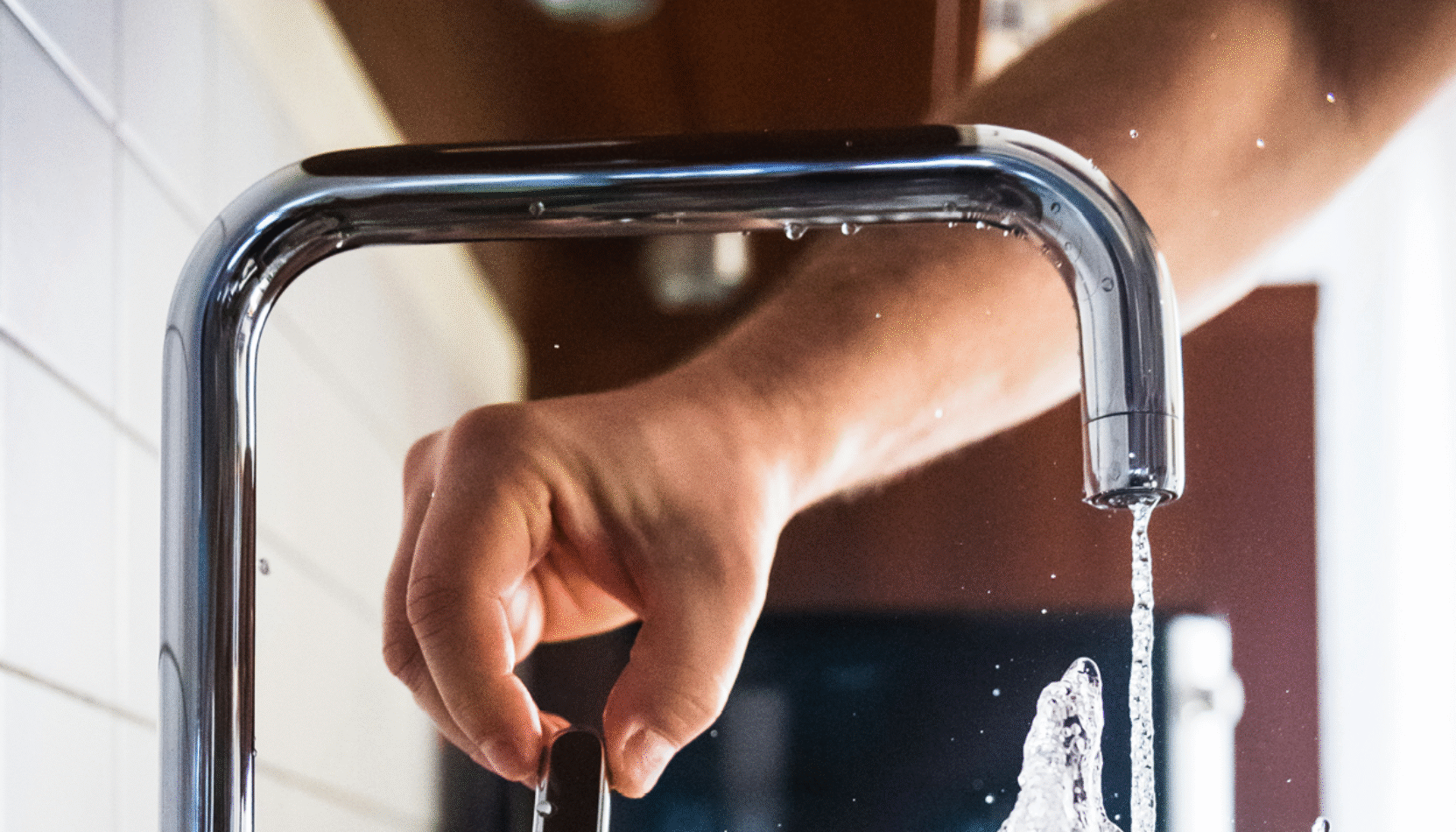
It’s easy to ignore a slow drip-drip from the kitchen sink, but those small leaks can quickly add up, both in wasted water and also hidden damage. Over time, even a small leak can cause stains to your worktops, cause the growth of mould, and can also increase your water bill.
Before winter sets in fully, take a look around your home and check all of the taps, exposed pipes, and under-sink areas for signs of moisture. Tighten any loose fittings, replace worn washers, and seal joints if necessary.
If you find a persistent drip or a pipe that’s starting to corrode, it might be worth calling in a plumber now rather than facing a burst pipe in the middle of January.
2. Inspect and Clean Your Gutters
Clogged gutters are one of the biggest problems that come up during the winter months. When your gutters fill up with leaves, moss, and debris, the water has nowhere to go, and it can end up spilling over, soaking exterior walls or leaking into the roofline. In freezing weather conditions, the trapped water can form ice dams, which can pull your gutters away from the house entirely.
Grab a sturdy ladder, some gloves, and a bucket, and clear out the gutters and downpipes. Make sure that the water flows freely by flushing them with a hose. While you’re up there, check for any sagging sections or loose brackets.
This simple job should only take around an hour or two, but this work can save you hundreds of pounds in potential damp repairs later.
3. Check Roof Tiles and Flashing
Your roof is your home’s first line of defence against the elements, and yet it is often the most neglected. Missing or cracked tiles, damaged flashing around chimneys, or worn ridge caps can all lead to leaks that may go unnoticed until it’s too late.
On a dry day, stand back a bit from your property and inspect the roof with binoculars if necessary. Look for uneven lines, slipped tiles, or dark patches that might indicate a build-up of moisture. Inside the loft, check for daylight coming through cracks or any signs of damp in the insulation.
If you are not comfortable getting up onto the roof yourself, many roofers offer winter inspections that don’t cost too much. It’s a worthwhile investment to make sure your home stays safe and watertight.
4. Seal Windows and Doors Against Draughts
If you have ever felt a cold breeze sneaking in from around your windows, you will know how much difference proper sealing makes. Draughts don’t just make rooms uncomfortable; they also waste energy, which leads to much higher heating bills.
Walk around your home on a breezy day and check for any air leaks. You can use a candle or an incense stick. If the flame or smoke flickers near a frame, you’ve got a draught. Apply some self-adhesive weatherstripping around doors, use silicone sealant on window gaps, and consider installing a door brush or draught excluder.
If your windows are particularly old or single-glazed, this might also be a good time to plan for an upgrade next year to double-glazing with sturdier frames.
5. Service Your Boiler and Heating System
Few things are worse than your boiler breaking down in the middle of winter. A simple annual service can prevent that and help your system run more efficiently.
Before the weather turns truly cold, book a Gas Safe engineer to service your boiler. They’ll check for leaks, ensure the system is venting correctly, and make sure everything’s running safely. While you’re at it, bleed your radiators to release trapped air and ensure even heating throughout your home.
If you have a programmable thermostat, test it to make sure it’s working properly. You’ll want your heating system to respond exactly as it should once temperatures drop.
6. Patch Up Cracks in Walls and Ceilings
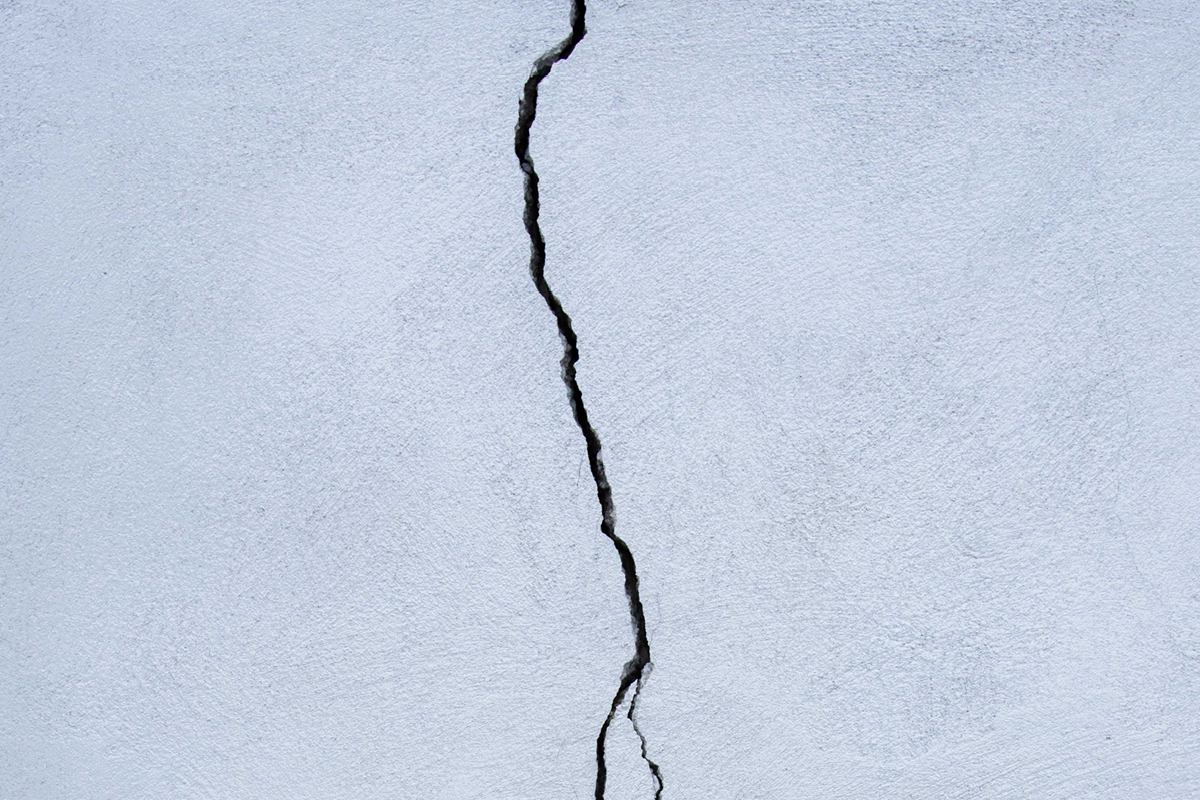
Small cracks in your walls or ceilings may seem harmless at first, but they can grow bigger over time, and can start to let in moisture and may even indicate movement in the structure. Before the winter dampness sets in, take a look around your walls and ceilings for any hairline cracks or flaking plaster.
For minor surface cracks, use some filler or caulk and sand the area smooth before repainting. For anything wider or deeper, it’s best to get a professional opinion. This is particularly important if cracks reappear after filling or run diagonally across walls or ceilings.
It’s much easier and cheaper to address these issues now rather than waiting and repairing extensive plaster damage in the spring.
7. Refresh Exterior Paint and Woodwork
Exterior wood, like your window frames, doors, and fascias, can take a beating from rain and frost during the winter months. When the paint begins to peel or the wood starts looking dull and grey, it’s time for a touch-up.
Before the end of the year, choose a dry weekend and inspect all of your exterior paintwork. Scrape off any loose paint, sand down rough patches, and apply a good-quality primer and exterior-grade paint.
If you have decking, fencing, or sheds, apply a wood preservative or weatherproof stain to keep the moisture out during the wet months ahead.
This will not only improve your home’s appearance but will also help protect it from long-term decay and rot.
8. Test Smoke Alarms and Carbon Monoxide Detectors
This is a small job that takes minutes, but it is a job that could literally save your life. As we use more heating, candles, and cooking appliances during the colder winter months, the risks of fire and carbon monoxide increase.
Go through your home and test all of the alarms. Replace any batteries if needed. If your alarms are more than ten years old, it is worth replacing them entirely.
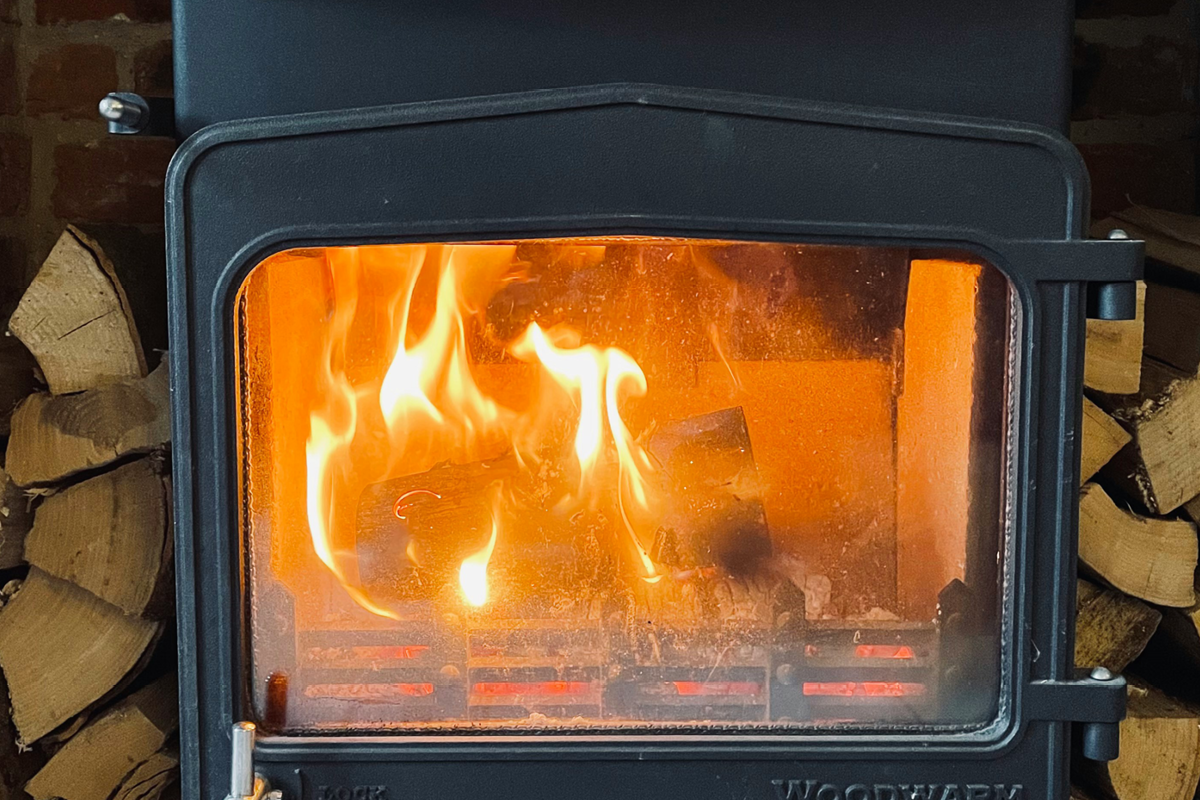
If you use gas fires, log burners, or open fireplaces, make sure your chimney or flue is cleaned and inspected annually.
9. Sort Out Damp and Mould Before Winter
Damp is one of the most common issues, and it tends to get worse as we shut windows and dry clothes indoors throughout the winter months. Musty smells, black mould, or condensation on windows are all signs of a ventilation or moisture problem.
It’s important to tackle this now before it spreads. Identify the cause first, whether it’s a leaking pipe, poor insulation, or a lack of airflow. Wipe away existing mould with a mild bleach or vinegar solution and consider using a dehumidifier in affected rooms. Make sure to wear gloves and a mask when tackling mould.
For persistent issues, you may need to install air bricks, trickle vents, or extractor fans. These are small fixes that make a huge difference in keeping your home healthy and dry.
10. Check Outdoor Areas and Garden Structures
It’s not just the inside of your home that needs attention during the winter. Your outdoor spaces can also take a battering over winter too. Before the end of the year, give your garden a quick once-over.
- Fences and gates: Tighten any loose posts and apply a protective stain or treatment.
- Patios and paths: Fill in cracks to prevent frost from widening them.
- Sheds and greenhouses: Check roofs for leaks and make sure doors close properly.
- Outdoor taps: Lag pipes or shut off outside water supplies to prevent freezing.
If you have any exterior lighting, make sure all the bulbs are working and replace any broken fittings. You’ll be glad for that extra bit of light on dark winter evenings.
Bonus Tip: Create a Maintenance Checklist for Next Year
Once you’ve worked through this list, give yourself a pat on the back – you’ve just saved yourself a pile of potential repair bills. But you don’t have to stop there.
Consider creating a simple home maintenance calendar for next year, breaking all of the tasks into seasonal groups, for example, checking the roof in spring, repainting in summer, and servicing your heating system in the autumn.
Staying on top of these small repairs regularly keeps your home comfortable, efficient, and valuable, without any panicked last-minute fixes before winter.
Final Thoughts
Home repairs might not be the most glamorous way to end the year, but they’re one of the smartest. By sorting out leaks, sealing draughts, servicing your boiler, and keeping damp at bay, you’re not only protecting your property but also making your home warmer, safer, and more enjoyable to live in.
A weekend or two of effort now can mean a stress-free winter and a smoother start to the new year. So, grab your toolbox and tackle those repairs. Your future self (and your heating bill) will thank you.
MORE ABOUT THE AUTHOR… THOMAS GOODMAN
Thomas Goodman has worked as a property and construction expert for MyJobQuote for six years and has worked in the construction industry for over twenty years. Thomas continues to work on building projects while providing expert construction and property advice to industry professionals and DIY enthusiasts.