HOW TO FREEZE PROOF YOUR HOME
Want to find out how to freeze-proof your home? The very first frost always seems to just sneak up on us, and while we’re rushing to find our thick coats and hats, our homes face a serious threat: freezing temperatures. These drastic temperature drops can lead to significant heat loss and, worse, catastrophic plumbing failures like burst pipes.
Fortunately, freeze-proofing your home is often just about some simple, proactive maintenance rather than huge renovation projects. Getting ahead of the cold now by insulating, sealing, and checking your heating systems will save you a lot of stress and expense later this winter.
Below, property and construction expert Thomas Goodman at MyJobQuote.co.uk goes over everything you need to know about freeze-proofing your home so you can stay warm and stress-free no matter what the weather throws your way…
Insulate The Roof
Did you know that you can lose up to a quarter of the heat from your home through the roof? Installing some insulation in your loft will help you to keep more of the heat inside your home and will play a part in keeping your energy bills down.
Even if you already have an insulated roof, it is worth checking to see if your current insulation meets the recommended 250mm to 270mm depth before the harsh winter weather arrives.
If your insulation is fitted properly, it can last for up to 40 years or more. It usually costs roughly £285 – £425 to install insulation in the loft. Due to its long lifespan, you can expect it to pay for itself several times over its lifespan and you will also save a lot on your energy bills.
Lag Your Pipes
A burst water pipe on your property is your own responsibility, and winter is the time when you’re most at risk of this. If pipes are not insulated in colder parts of the home, such as the basement or the loft, they are the most likely pipes to burst.
Insulating tubes are relatively cheap, and you can purchase them from most DIY shops. It’s important to wrap your pipes before winter comes. This will prevent the pipes from freezing and also help to prevent any heat loss. You’ll want to make sure to insulate the pipes that take your hot water from your boiler or cylinder and transport the water to your hot water taps.
These particular pipes are most commonly located in your airing cupboard, next to your boiler, and underneath your bathroom and kitchen sinks.
Clean Your Gutters
Your gutters have a job to do, and that’s getting rainwater away from the roof and down the drain. If your property’s gutters are blocked with leaves, dirt, or other forms of debris, they won’t be able to do this job effectively.
You will be able to notice issues with your gutters if rainwater starts running down the sides of your house or if you spot some discolouration on your home’s walls. The majority of the time, these blockages are caused by leaves, twigs, moss, or birds’ nests. Leaving water to build-up can lead to mould and damp issues, so it’s very important to make sure your guttering system is working effectively so rainwater can be properly drained away from your home.
Keeping on top of gutter maintenance is also important for insurance purposes, so there are many reasons why you should clear your gutters before the weather gets too cold.
Get a Smart Meter
A smart meter is a great idea before the cold winter weather hits. A smart meter prevents you from having to input meter readings. Plus, it also allows you to keep a good eye on the amount of energy you’re using and where you’re using energy the most in real time. This will allow you to identify which appliances are using up the most energy in your home so that you can alter your usage accordingly and save some money.
Smart meters don’t cost anything to install, and all energy suppliers will be required to offer a free smart meter by the year 2025. If you haven’t been offered a smart meter just yet, get in touch with your energy provider to request one.
Bleed Your Radiators
Bleeding your radiators regularly will help to ensure your home stays warm and your heating system works efficiently. Air can get into your heating system and prevent your radiators from being able to fill with water properly.
If you find that your radiators are cooler at the top, this is a sign that they need to be bled. Bleeding your radiators will help release all of the trapped air.
Bleeding your radiators is quite a simple job that you can complete very quickly. Locate the bleed valve on your radiator and use a bleed key to turn it anticlockwise. This will start the process of releasing air from the radiator. When all of the air has been released, water will start to drip out. At this point, you can then close the valve.
Let Your Faucets Drip
If the weather is predicted to be extra cold or frosty, you should turn on any faucets that are along the exterior walls and allow them to drip.
Allowing your faucets to drip will eliminate pressure from building between your tap and any potential ice blockages so, even if the pipe does freeze, it will be much less likely to burst.
Disconnect Outdoor Hoses
You must also not forget to winterise your outdoor faucets and pipes. Make sure you begin by disconnecting your hose from the outdoor tap and drain away any existing water out of the hose.
If you can, it is also smart to turn off the water supply to your outdoor tap and open this up to drain away any of the remaining water out of the pipes.
Fix Exterior Cracks
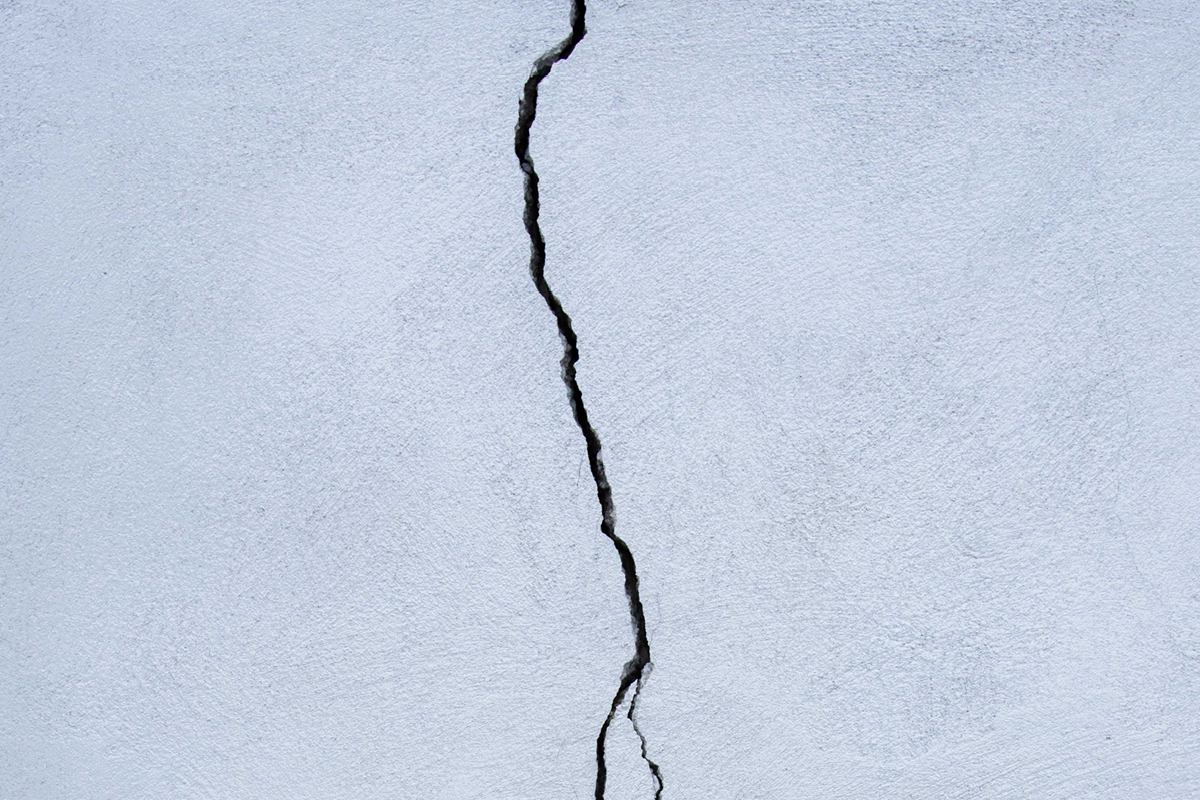
Before the cold winter weather comes into full force, you should take some time to inspect the outside of your property and look out for any cracks or holes. If you do notice any imperfections, you should promptly fix them before the first frost comes along.
You can fill any imperfections with caulking and spray foam insulation. This will help prevent the cold air from getting into your home or into the pipes in the walls.
Keep Your Heating On
It is a bad idea to turn your heating off fully at any point during the cold winter months. Even if you are planning on being away from your home for a while, you should still leave your heating on low.
The money you might save on your electricity bills by turning off your heating won’t cover the costs of fixing a burst pipe, so it’s much better to err on the side of caution. It doesn’t need to be extremely hot in the home. Just leave your heating on a constant low temperature and then turn the thermostat up as and when you need to.
Repair Any Leaks
With the cold winter months approaching, it’s a good idea to take a look around your home and inspect all of your faucets and pipes for any leaks.
If you do find any leaks, you should get them fixed as soon as possible. If the pipe in question is for your water or heating, you should hire a professional to come and repair the leak for you. This will prevent any issues arising with your heating system or pipework over the winter months.
Final Thoughts
Ultimately, preparing your home for the winter months is a worthwhile investment of time that pays off in peace of mind and lower bills. The strategies shown above fall into two main categories: creating structural defence through better insulation, sealing exterior cracks, and cleaning gutters; and performing crucial maintenance like lagging your pipes and bleeding your radiators. By checking these essential boxes now, from the roof to the outdoor faucets, you won’t just keep warm; you will protect your property from costly, stressful winter emergencies. You will be ready when the first hard frost finally arrives.
MORE ABOUT THE AUTHOR… THOMAS GOODMAN
Thomas Goodman has worked as a property and construction expert for MyJobQuote for six years and has worked in the construction industry for over twenty years. Thomas continues to work on building projects while providing expert construction and property advice to industry professionals and DIY enthusiasts.