HOW TO PREP YOUR FIREPLACE AND CHIMNEY
As the days grow shorter and the air turns crisp, we begin to crave the warmth of a crackling fireplace, but proper preparation is key for a cosy and comfortable season. A well-maintained fireplace will add warmth to your home and enhance energy efficiency during the colder months, and the right preparation can ensure safety, prevent draughts, and create the perfect ambience for those cold winter evenings.
Over the summer months, your fireplace and chimney can accumulate debris, and a buildup of creosote (a byproduct of burning wood) can become a fire hazard if not properly cleaned. Additional problems could include cracks and blockages, animals making nests in your chimney, and deterioration caused by moisture.
In this guide by heating expert Matthew Jenkins at MyJobQuote.co.uk, you will learn the key maintenance steps you can take to ensure that your fireplace and chimney are prepared to run efficiently and pose minimal safety hazards all season long!
Inspect and Clean Your Chimney
Schedule a Professional Inspection
To ensure a safe and warm winter, it is crucial to have your chimney inspected by a professional. This step is of vital importance for preventing potential hazards and maintaining the efficiency of your fireplace. A qualified professional will have the knowledge and expertise needed to identify and address any issues that may go unnoticed by an untrained eye.
During the inspection, the expert will examine key components such as the flue liner, chimney structure, and damper, as well as look for signs of wear, damage, or obstructions that could negatively impact your chimney’s performance. A thorough assessment will allow problems to be caught early, potentially saving you from costly repairs later down the line.
Remove Creosote Buildup
Creosote is a highly flammable substance that forms when wood burns incompletely, and it can accumulate on the walls of your chimney over time, posing a significant fire risk. Removing creosote buildup is one of the key reasons why it is so important to clean your chimney thoroughly before winter arrives.
Professional chimney sweeps will use specialised tools and cleaners to effectively remove creosote, assessing the level of buildup and determining the best cleaning method. As well as reducing the risk of chimney fires, regular removal of creosote will improve the overall efficiency of your fireplace, allowing you to keep warm during the winter months.
Check for Structural Damage
Winter can be a harsh time for chimneys, and structural damage can occur due to weather exposure, age, or previous neglect, among other factors, so it is important to ensure that it enters the season in the best possible condition. A professional inspection will help to identify any cracks, deterioration, or other structural issues that could compromise its integrity.
Common problems that chimneys face include cracked crowns, damaged flue liners, and warped dampers. If these problems are left unaddressed, they can lead to water damage, decreased energy efficiency, and even carbon monoxide risks, so it is very important to catch them early.
Prepare the Fireplace Interior
Clean Out Old Ashes
Removing old ashes is an essential task in winter fireplace preparation. While it is beneficial to keep a thin layer of ash on the firebox floor to insulate and help start new fires, excessive buildup can hinder airflow and reduce efficiency.
To clean out old ashes, wait at least 24 hours after your last fire to ensure that all of the embers have completely cooled, before using a metal shovel or specialist vacuum to carefully remove the excess ash and deposit it in a fire-resistant container. This step not only improves the fireplace’s functionality but also significantly enhances its appearance.
Inspect Firebricks and Mortar
Examining the firebricks and mortar inside your fireplace is crucial for maintaining its structural integrity and safety. Firebricks are specially designed to withstand high temperatures, making them essential for containing the heat of your fire. Look for any cracks, gaps, or signs of wear in the lining of your firebox, and if you notice any extreme deterioration, it is time to call in a professional for repairs.
Mortar is more prone to degradation than the bricks themselves, so it is important to pay close attention to the mortar joints between bricks and check for any crumbling or erosion. Weakened mortar joints can compromise the structural integrity of your chimney and lead to brick misalignment, so it is vital to replace them if needed.
Test the Damper
The damper plays a crucial role in regulating airflow in your chimney and maintaining energy efficiency in your home during winter. To test the damper, locate the control mechanism and ensure that the damper opens and closes smoothly without any resistance.
When open, you should feel a draught coming from your chimney, and a lack of airflow indicates an obstruction in the flue that needs to be addressed. Check that the damper closes completely when not in use to prevent heat loss and draughts during the colder months. Address any issues promptly, as a properly functioning damper is essential for a safe and efficient fireplace.
Secure the Chimney Exterior
Install or Repair Chimney Cap
A chimney cap is an essential component that protects your fireplace from various external elements, and it acts as a barrier for preventing rain, snow, and debris from entering your chimney. During your winter preparation, inspect your chimney cap for any signs of damage or wear, and if you notice cracks, missing parts, or rust, it is a sign that it is time to replace it.
There are several benefits that come with installing a new chimney cap or repairing an existing one if needed. Firstly, it keeps water out, which is crucial for preventing moisture damage to the interior of your chimney. Additionally, a properly functioning cap will stop animals from nesting in your chimney and block sparks from escaping, reducing the risk of roof fires.
Trim Overhanging Branches
Trees near your chimney can pose significant risks, especially during the windy weather that autumn and winter often bring. Overhanging branches can fall onto your chimney, causing damage and potentially hazardous situations, so it is important to keep any nearby branches well-trimmed back.
Pruning these branches serves multiple other purposes. It reduces the risk of them falling during heavy snow or storms, minimises the accumulation of leaves and debris on your roof and in your chimney, and makes it harder for animals to access your chimney.
Apply Waterproof Sealant
Applying a waterproof sealant to your chimney’s exterior is a pivotal step in preventing moisture damage. Bricks and mortar are porous materials that can absorb water, leading to cracks and deterioration, especially during freeze-thaw cycles in winter. A high-quality waterproof sealant creates a barrier that repels water while allowing the masonry to breathe.
Before applying the sealant, ensure that the chimney surface is clean and dry, and remove any dirt, moss, or debris with a wire brush or appropriate cleaning solution. Apply the sealant using a sprayer, working from the bottom to ensure even coverage and paying extra attention to mortar joints. A properly sealed chimney will be better equipped to withstand winter weather, maintaining its structural integrity and efficiency.
Stock Up on the Right Firewood
Using the right type of firewood can make a significant difference in how your fireplace operates, and here are some important things to consider:
- Choose Seasoned Wood: Seasoned hardwoods burn cleaner and more efficiently than softwoods or unseasoned wood. Ensure that your firewood has been dried for at least six months.
- Store Wood Properly: Keep wood covered and off the ground during storage to prevent it from absorbing excess moisture.
- Avoid Treated Wood: Never burn painted or chemically treated wood, as it can release harmful toxins into the air of your home.
Top Winter Safety Tips
As you prepare your chimney and fireplace for winter, it is important to keep these key safety tips in mind:
- Never Leave a Fire Unattended: Always ensure that you extinguish the fire before going to bed, staying in another room for an extended period of time, or leaving the house.
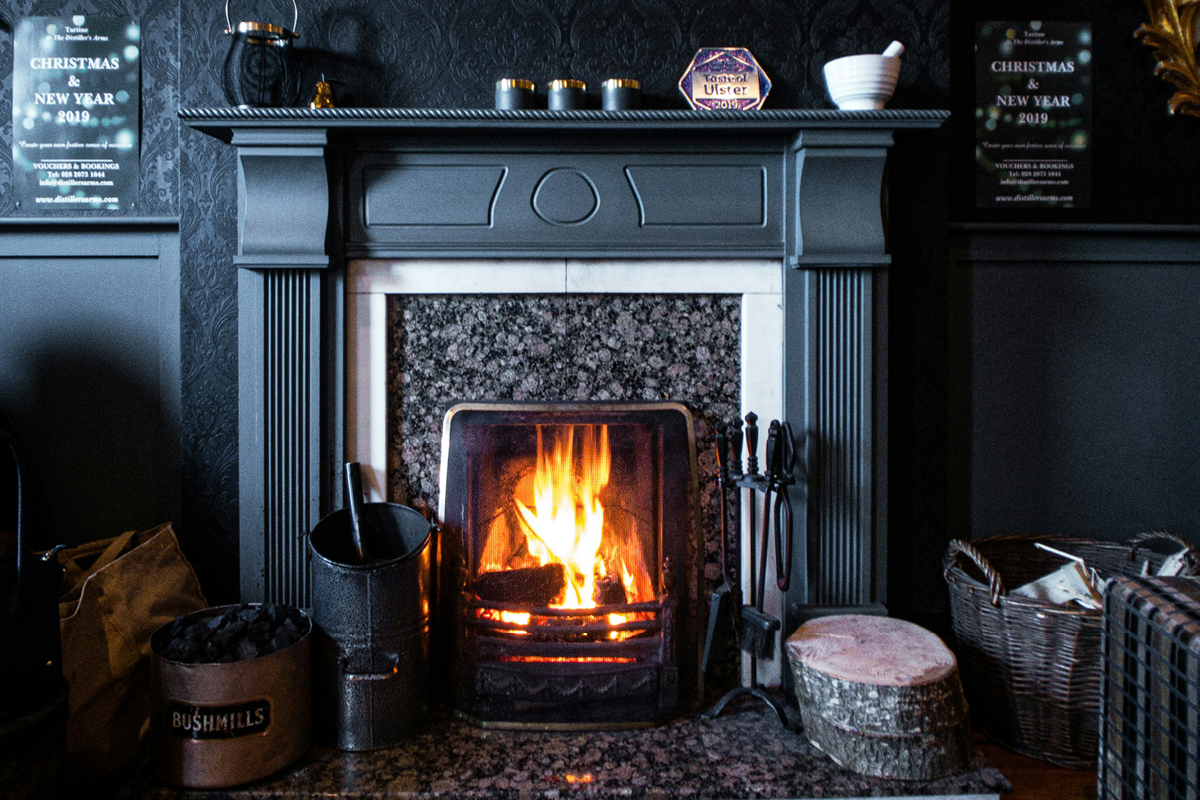
- Use a Fireplace Screen: This will help to prevent sparks and embers from escaping and causing a fire.
- Keep Flammable Materials Away: Ensure that rugs, furniture, and other flammable items are kept at a safe distance from the fireplace.
- Educate Your Household: Make sure that everyone in your household knows how to safely operate the fireplace and what to do in case of an emergency.
Final Thoughts
Preparing your chimney and fireplace for winter is a task that should never be overlooked, as it has a significant impact on creating a cosy and safe home environment during the cold months. From inspecting and cleaning your chimney to stocking up on the right supplies, each action plays a crucial role in ensuring your fireplace is ready for winter use.
A well-maintained fireplace not only provides warmth but also adds to the overall comfort and energy efficiency of your home. By following this guide and taking the right steps, you can enjoy the peace of mind that comes with curling up next to a warm, safe, and efficient fireplace as the colder weather sets in!
MORE ABOUT THE AUTHOR… MATTHEW JENKINS
Matthew Jenkins has worked as a self-employed tradesman in the domestic heating industry for over fifteen years. Matthew is a gas-safe engineer specialising in heating and plumbing. He also works closely with MyJobQuote to provide expert knowledge to homeowners and tradespeople and has been featured in a range of established news outlets.
DISCOVER HOME IMPROVEMENTS, HOME HACKS, AND EVERYDAY ADVICE FOR YOUR HOUSE & GARDEN