ECO-FRIENDLY HEATING HACKS TO TRY AT HOME
The heating season is coming into full swing, and with the rising energy costs, it’s important to be mindful of how you are heating your home. Check out these eco-friendly ideas to stay warm this winter.
You don’t want to be overspending or find that you could be saving money with a few simple hacks. Equally, it’s important to ensure that your home remains efficient and eco-friendly throughout the heating season.
Below, heating expert Matthew Jenkins at MyJobQuote.co.uk, the UK’s leading trades-matching site, goes over some great tips to help you ensure your heating system remains efficient and to help save you as much money as possible during the heating season, right through to spring. Take a look at Matthew’s tips below…
Keep Heat From Escaping
Firstly, you should make sure that your doors and windows are tightly closed and very well-sealed. Take a look around your windows and doors and check for any air leaks where warm air may be escaping, and cold air may be entering. Older windows and doors will often need to be resealed. This can make a massive difference in the heat levels inside your home.
If you have any ducts in your home, these can be a source of heat loss. Make sure to seal any ducts around the joint with some sealant or heavy-duty tape.
Make Use of Radiator Reflectors
Radiators emit heat in all directions, including towards the wall behind them. This heat is then absorbed by the wall, effectively wasting energy. Radiator reflectors are inexpensive and easy to install. They are typically made of reflective foil and are placed behind radiators to direct the heat back into the room. This simple hack can significantly improve the energy efficiency of your radiators and make a noticeable difference in the temperature in your home.
Bleed Your Radiators
Imagine your radiator as a water-filled pipe. If air becomes trapped inside, this prevents water from circulating properly, leading to cold spots and inefficient heating. Bleeding your radiators regularly allows you to release this trapped air, ensuring that your radiators heat up evenly and efficiently.
Take the steps below to successfully bleed your radiator:
- Run your hand over the radiator and check if it is cold at the top or the bottom. If the top of the radiator is cold, this means that there is air trapped inside and that the radiator needs to be bled.
- Start by turning off your central heating system.
- Then, place a rag or old piece of cloth underneath the valve so that you can catch any water that may start to drip out while you are bleeding the radiator.
- Use your radiator key and turn it anti-clockwise by roughly a quarter of a turn. It should start to hiss. Leave it open until the air stops coming out and water starts running out of the valve.
- As soon as water starts coming out of the valve, turn the radiator key to the off position again.
- Bleed any other radiators that need to be bled while your central heating system is still off.
- Check your boiler pressure.
- You can then turn your central heating system back on.
Master Your Heating Controls
Lowering your thermostat temperature by even a few degrees can make a noticeable difference in your energy consumption. Aim for a comfortable temperature of around 18 – 20 degrees Celsius.
You may also want to consider investing in a smart thermostat. These nifty devices can learn your heating habits, automatically adjust temperatures when you’re out or asleep, and can even be controlled remotely via your smartphone.
Utilise your thermostat’s timer function to schedule your heating to come on only when you need it. For example, you could set it to warm up the house an hour before you wake up and turn it down again when you leave for work.
Embrace Cosy Habits
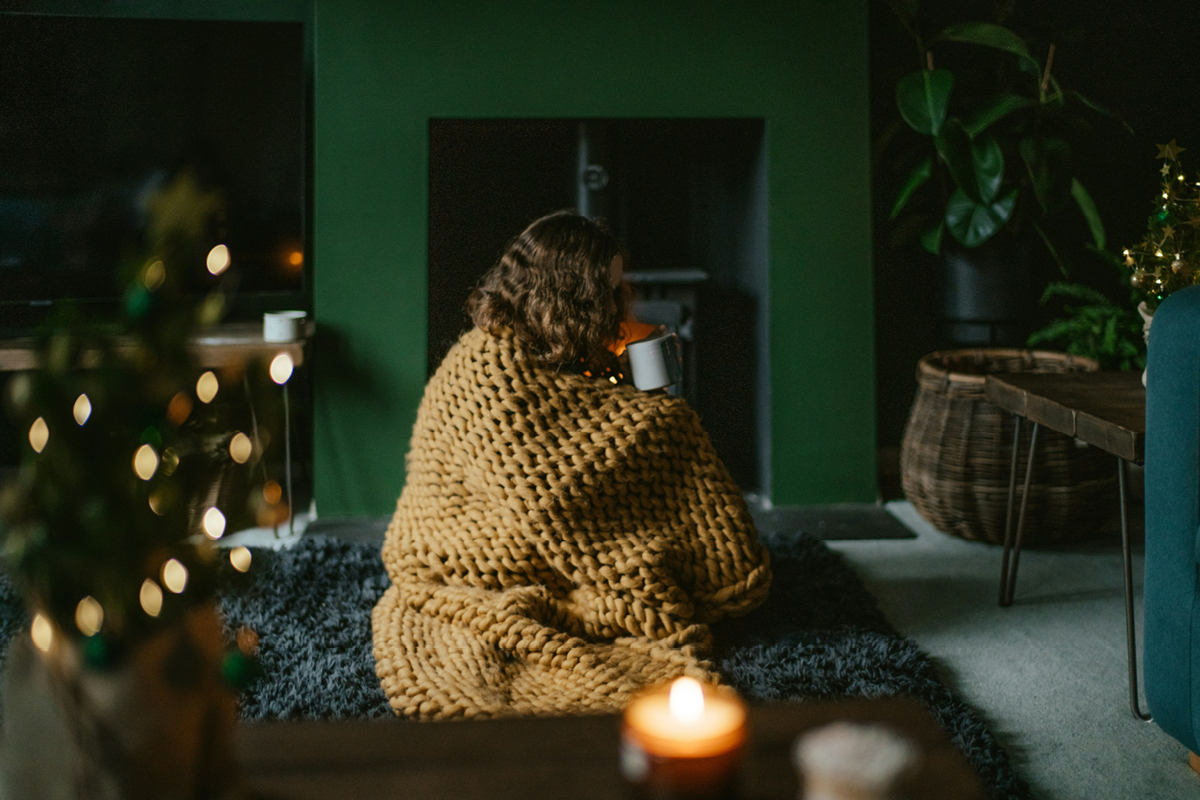
Sometimes even the simplest of solutions can be the most effective. Firstly, consider what you are wearing around the home. Ditch the t-shirts and embrace the power of layering. Put on some cosy socks and jumpers, and snuggle yourself up in a blanket. You might be surprised just how much warmer you feel without having to crank up the thermostat.
Also, consider making use of hot water bottles. These are a classic for a good reason. A hot water bottle can provide comforting warmth on chilly evenings, especially when curled up on the sofa.
Switch Supplier to Save Money
The energy market in the UK is highly competitive. Energy suppliers are constantly adjusting their tariffs to attract new customers. Regularly comparing energy tariffs from different suppliers is essential. Consider using price comparison websites and energy-switching tools to easily compare tariffs from various suppliers.
When comparing tariffs, consider your annual energy usage. Some tariffs are better suited for high-usage households, while others are more cost-effective for low-usage households.
Be aware of any exit fees associated with your current energy contract. The switching process is generally quite straightforward. Your new supplier will handle the transfer of your energy supply from your old supplier.
Check Up on Your Boiler
It’s a good idea to take a good look at your boiler to ensure it is working efficiently and effectively. Take a look at the tips below:
- High-Efficiency Boilers – Consider upgrading your old boiler to a more efficient model, such as a condensing boiler. Modern boilers are designed to extract more heat from the fuel, resulting in significant energy savings.
- Regular Boiler Servicing – Regular boiler servicing ensures your boiler is operating at peak efficiency. A well-maintained boiler will use much less gas to heat your home.
- Check for Boiler Issues – If you suspect your boiler is not functioning correctly (for example, it is taking longer to heat up or is producing unusual noises), call a qualified Gas Safe registered engineer to diagnose and repair any issues.
Place a Shelf Above The Radiator
A shelf above your radiator can help to reflect the heat back out into the room. This can also help to prevent the heat from the radiator rising and becoming trapped up in the ceiling. Instead, the nice warm air will be pushed out into the room. Shelves above the radiator are especially useful when combined with reflectors.
Clean The Radiators Regularly
You must ensure that the airways between the fins are clear. The space between the fins attracts light dirt and dust, which can block the airways and reduce the circulation of warm air. Cleaning your entire radiator, including the spaces between each of the fins, can help to improve the overall circulation, allowing your radiator to radiate much more heat.
Mindful Habits for Keeping Your Home Warmer
It is important to be mindful if you want to ensure your home stays as warm as possible and your energy bills remain low. Consider the following tips:
Using Sunlight
- Embrace Natural Light – Open your curtains and blinds during the day to allow the natural sunlight to warm your home. Utilise the sun’s warmth to help heat your home during the day, reducing your reliance on artificial heating.
- Maximise Daylight – Position the furniture in your home strategically to make the most of the natural sunlight.
Use The Curtains
- Prevent Heat Loss – Close the curtains and blinds at night to prevent heat from escaping through the windows.
- Reduce Draughts – Curtains can also help to reduce draughts around windows, further improving your home’s energy efficiency.
- Consider Thick Curtains – Invest in thick, lined curtains for added insulation.
Close Off Any Unused Rooms
Depending on the size of your property, you may have some rooms in there that you barely use. If that is the case, there is no need for you to heat these unused rooms.
Simply turn off the radiators in those lesser-used rooms and close the doors if you are not using the rooms regularly.
Use Space Heaters
In some cases, it may be better for you to turn off your full central heating system and, instewd, use a small space heating appliance. This is best for people who spend most of their time in just the one room. Space heaters will usually warm the room pretty quickly, especially if it is a smaller room or a room with low ceilings.
When using a space heater, you can keep the rest of your home’s heating system on a very low setting. This will help you to save a significant amount of money on your overall heating bills.
Final Thoughts
As you can see, there are many things that you can do to help ensure your heating is running as efficiently as possible while also ensuring that you and your family remain comfortable during the colder months. By taking on and embracing some of these tips, you can ensure that your home remains lovely and warm throughout the coldest of months while avoiding overspending on your heating bills.
MORE ABOUT THE AUTHOR… MATTHEW JENKINS
Matthew Jenkins has worked as a self-employed tradesman in the domestic heating industry for over fifteen years. Matthew is a gas-safe engineer specialising in heating and plumbing. He also works closely with MyJobQuote to provide expert knowledge to homeowners and tradespeople and has been featured in a range of established news outlets.